


What is Web Development? A Complete Beginner’s Guide in 2026
What is Web Development?
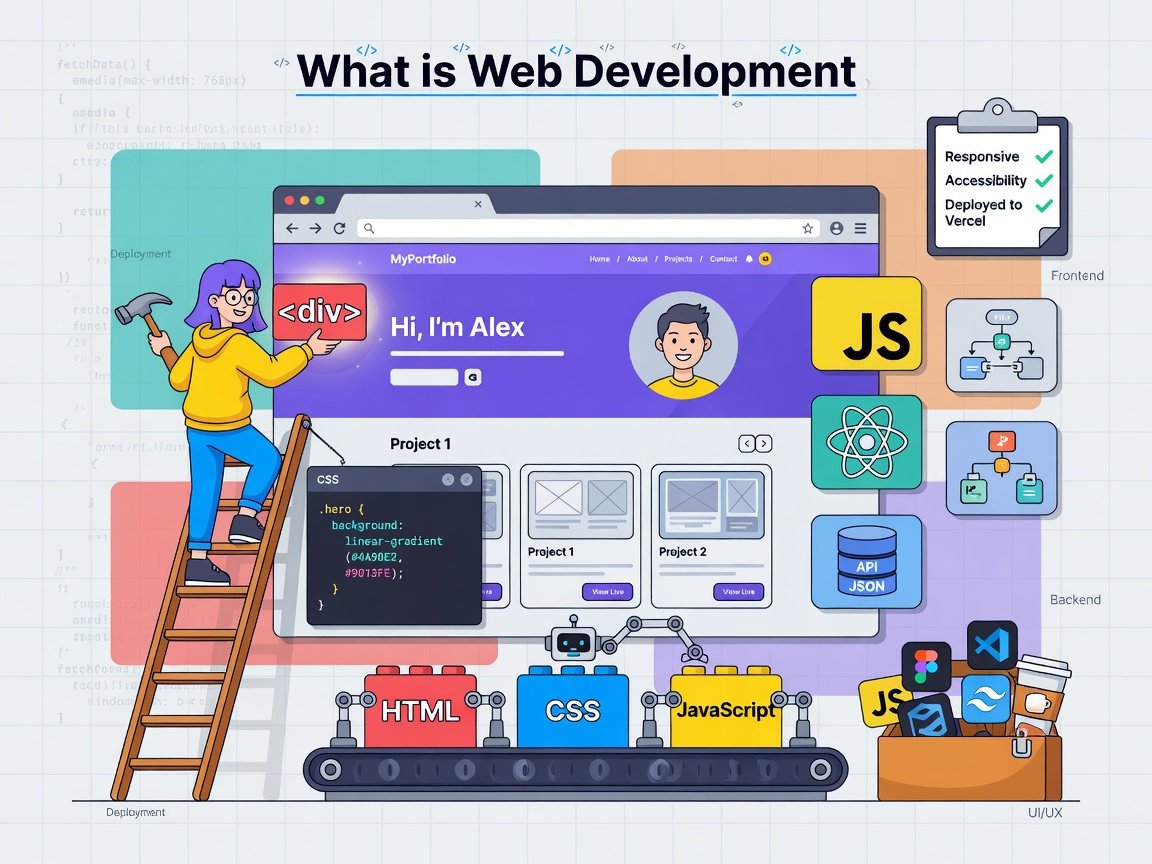
Web development is the process of creating, building, and maintaining websites and web applications that run on the internet. It involves designing the structure, developing interactive features, managing databases, improving website performance, and ensuring websites are secure and responsive across all devices.
Whether you’re browsing an online store, reading a blog, or using a banking application, web development is the technology behind every modern website.
As businesses continue to move online, web development has become one of the most in-demand digital skills worldwide.
Why is Web Development Important?
A professional website is often the first impression customers have of a business. Effective web development helps organizations:
- Build a strong online presence
- Improve customer engagement
- Increase sales and conversions
- Enhance user experience (UX)
- Improve website security
- Boost search engine rankings
- Support business growth
Today, companies of every size invest in website development to reach customers 24/7.
Types of Web Development
- Front-End Development
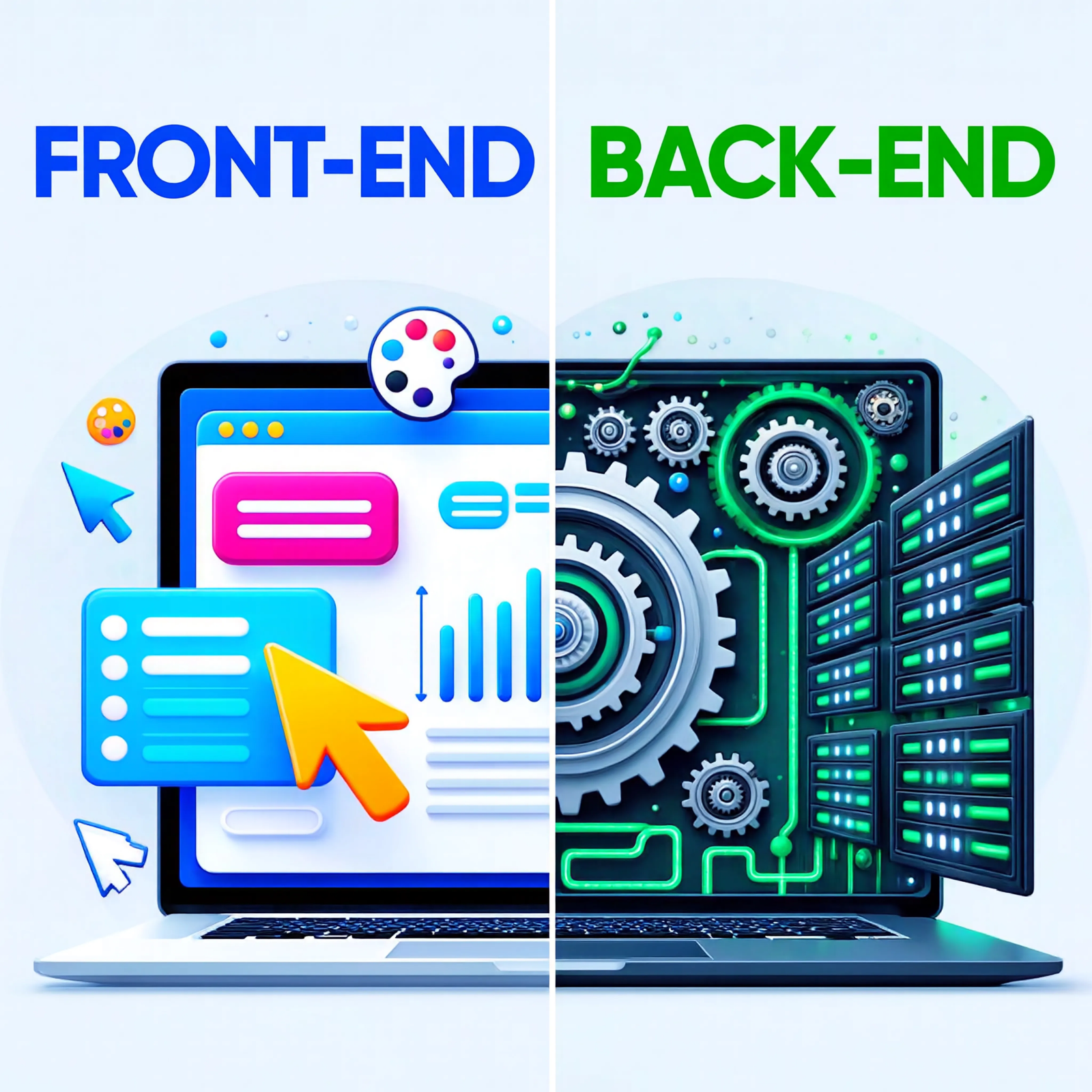
Front-end development focuses on everything users see and interact with in a browser.
A front-end developer creates:
- Navigation menus
- Buttons
- Forms
- Images
- Animations
- Responsive layouts
Popular Front-End Technologies
- HTML5
- CSS3
- JavaScript
- React
- Vue.js
- Angular
- Bootstrap
Popular Databases
- MySQL
- PostgreSQL
- MongoDB
- MariaDB
2. Back-End Development
Back-end development powers the server side of a website.
It handles:
- User authentication
- Database management
- Payment processing
- Business logic
- API integration
- Website security
Popular Back-End Technologies
- PHP
- Python
- Node.js
- Java
- ASP.NET
- Ruby
Popular Databases
- MySQL
- PostgreSQL
- MongoDB
3. Full-Stack Development
A Full-Stack Developer works on both the front-end and back-end.
They can:
- Design interfaces
- Write server-side code
- Manage databases
- Deploy websites
- Optimize performance
Full-stack developers are highly valued because they understand the complete development process.

Essential Programming Languages for Web Development
Some of the most widely used languages include:
HTML
Creates the basic structure of webpages.
CSS
Controls colors, layouts, typography, spacing, and responsive design.
JavaScript
Adds interactive features such as sliders, popups, animations, and dynamic content.
PHP
One of the most popular server-side programming languages powering many CMS platforms, including WordPress.
Python
Used for web applications, automation, APIs, and AI-powered websites.
Popular Web Development Frameworks
Modern developers use frameworks to speed up development.
Some popular frameworks include:
- React
- Angular
- Vue.js
- Laravel
- Django
- Express.js
- Next.js
- Bootstrap
These frameworks improve performance, security, and maintainability.
Web Development vs Web Design
Many beginners confuse web development with web design.
| Web Design | Web Development |
|---|---|
| Focuses on appearance | Focuses on functionality |
| Uses UI & UX principles | Uses programming languages |
| Creates layouts | Builds working websites |
| Uses design software | Uses coding tools |
Both work together to create successful websites.
Popular Tools Used by Web Developers
Professional developers commonly use:
- Visual Studio Code
- Git & GitHub
- Chrome Developer Tools
- Figma
- Docker
- WordPress
- npm
- Postman
These tools help improve productivity and collaboration.
Benefits of Learning Web Development
Learning web development offers many advantages:
- High-paying career opportunities
- Freelancing projects
- Remote work flexibility
- Ability to build your own website
- Create online businesses
- Develop web applications
- Continuous career growth
With digital transformation accelerating worldwide, web development remains a future-proof skill.
Latest Web Development Trends in 2026
The web development industry continues to evolve with new technologies. Some major trends include:
- AI-powered websites
- Progressive Web Apps (PWAs)
- Voice search optimization
- Serverless architecture
- Low-code and no-code platforms
- Headless CMS
- Motion UI
- Cybersecurity-first development
- Responsive mobile-first design
Keeping up with these trends helps developers stay competitive.
How to Start Learning Web Development
If you’re a beginner, follow this roadmap:
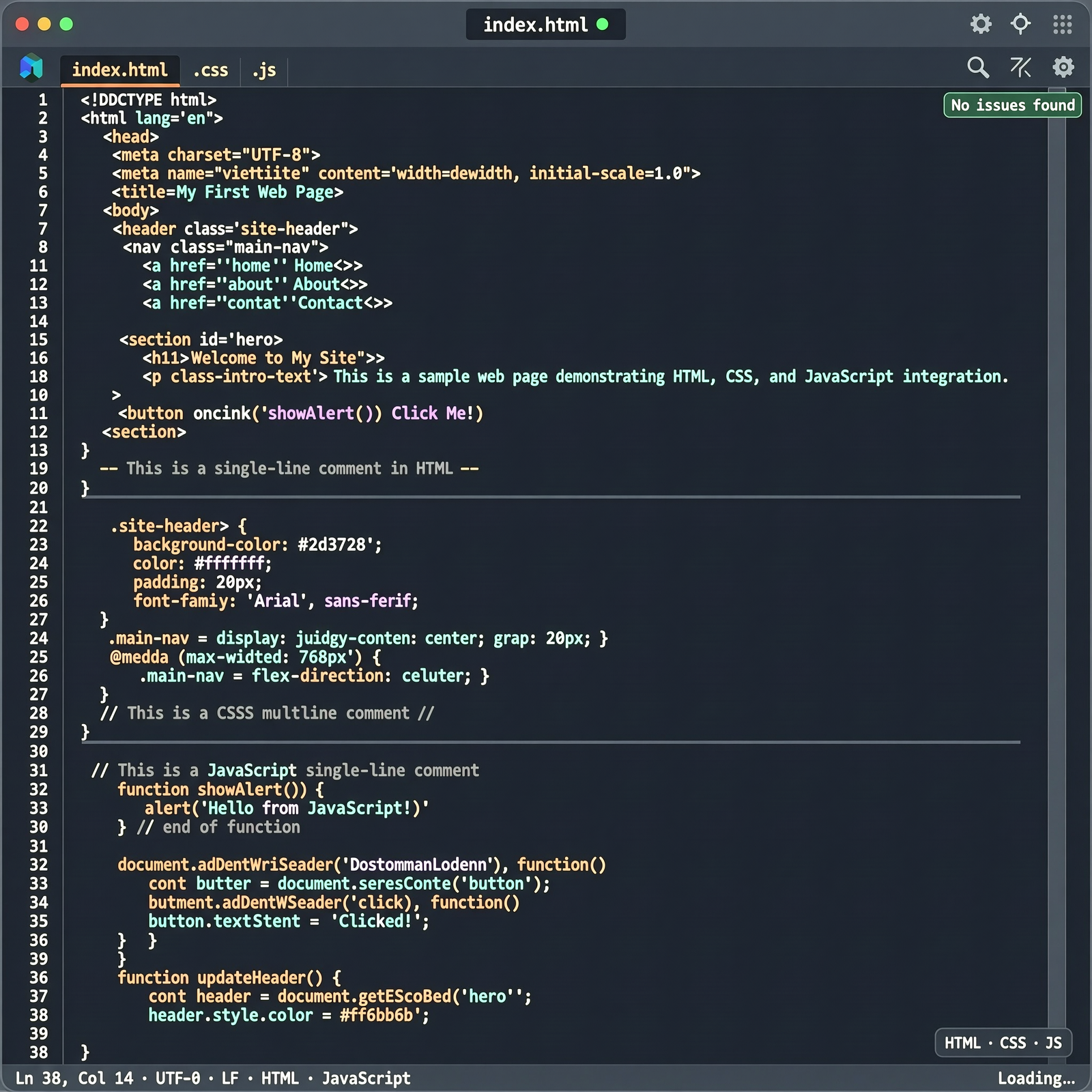
- Learn HTML
- Master CSS
- Practice JavaScript
- Understand Responsive Design
- Learn Git and GitHub
- Build small projects
- Learn a backend language like PHP or Python
- Understand databases
- Learn APIs
- Create a portfolio website
Practice consistently by building real-world projects.
Career Opportunities in Web Development
There are many exciting career paths available:
- Front-End Developer
- Back-End Developer
- Full-Stack Developer
- WordPress Developer
- Shopify Developer
- Web Application Developer
- UI Developer
- JavaScript Developer
- PHP Developer
- Freelance Web Developer
Demand for skilled developers continues to grow across startups, enterprises, and digital agencies.
Conclusion
Web development is the foundation of today’s digital world. From personal blogs to enterprise-level web applications, developers create the websites and online experiences people use every day.
Whether you’re interested in building websites, launching an online business, or starting a rewarding career, learning web development is a valuable investment. By mastering modern technologies and staying updated with industry trends, you can create fast, secure, and user-friendly websites that stand out in today’s competitive digital landscape.










Add comment